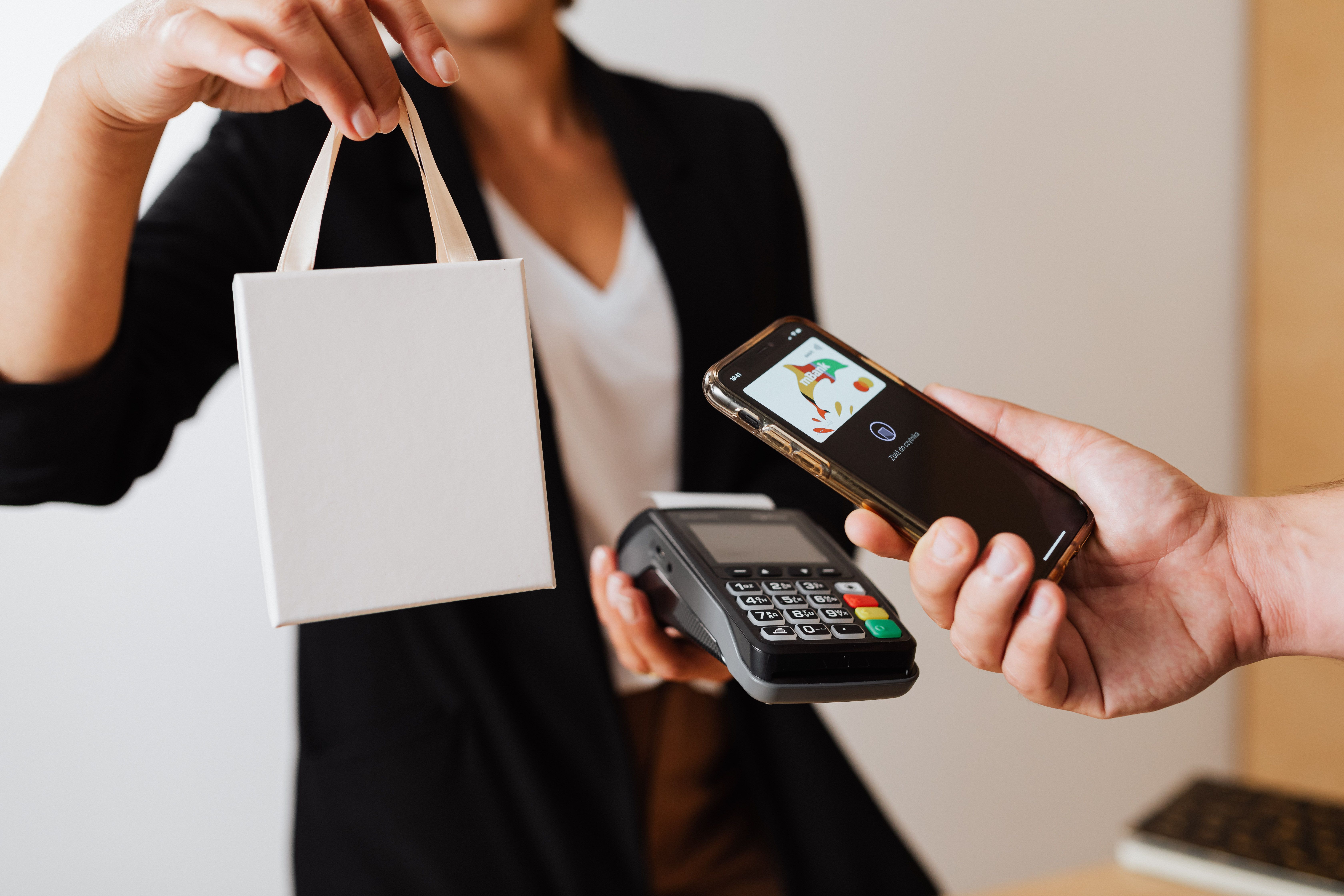
UPI now accounts for nearly 40% of all credit card transactions in India by volume — but most credit card users are earning exactly zero rewards on those spends. The reason is a regulatory quirk that almost nobody explains clearly. This guide breaks down why your Visa or Mastercard earns nothing on UPI, which cards actually reward you, and how to set them up on PhonePe, GPay, and Paytm today.
The short answer: only RuPay credit cards can earn rewards on UPI. Everything else — Visa, Mastercard, Amex — is blocked from earning on UPI by the RBI's zero-MDR mandate. If you're using a non-RuPay card for UPI payments, you're leaving money on the table with every scan.
UPI in India 2026 — The Numbers
Why Your Visa/Mastercard Earns Nothing on UPI
In January 2020, the RBI mandated zero MDR (Merchant Discount Rate) on all UPI and RuPay transactions. MDR is the small fee (typically 1–2%) that merchants pay to card networks and banks on every transaction — and it's the source of funds that banks use to pay your cashback and reward points.
With zero MDR on UPI, banks earn nothing when you pay via GPay or PhonePe with a Visa or Mastercard credit card. No merchant fee = no budget for rewards. So they simply don't give you any.
💡 The exception: RuPay credit cards are exempt from the zero-MDR rule because the government directly subsidises the RuPay network through NPCI. This allows banks issuing RuPay credit cards to still fund reward points on UPI transactions — making RuPay the only credit card network that rewards UPI spending in India.
The Only Card That Rewards UPI: Kiwi RuPay Neon
Kiwi RuPay Neon is purpose-built for UPI-first users. It's one of the very few credit cards in India that earns rewards on every UPI transaction — the same reward rate whether you scan a QR code at a kirana store, pay rent via CRED, or order Zomato via GPay.
Key benefits:
- Earn reward points on every UPI transaction — no category exclusions
- Works on PhonePe, GPay, Paytm, CRED Pay, Amazon Pay — all major UPI apps
- 3 domestic airport lounge visits per year via Collinson
- Annual fee: ₹999 + GST — easily recovered in the first month of rewards
- Apply via DigiKard: virtual card issued in 30 minutes, no branch visit
For context: if you spend ₹15,000/month via UPI (groceries, dining, utilities, rent) and earn even 1% back, that's ₹150/month = ₹1,800/year — more than covering the ₹999 annual fee in the first month.
⚠️ Common mistake: Many users add their HDFC, SBI, or Axis Visa/Mastercard credit card to GPay thinking they'll earn rewards on UPI — they don't. These cards can technically process UPI payments, but the reward rate on UPI is zero. Switch to a RuPay credit card if UPI is your primary payment mode.
How to Link a RuPay Credit Card to UPI Apps
Linking a RuPay credit card to UPI works almost identically to linking a debit card. Here's the step-by-step for each major app:
PhonePe
- Open PhonePe → tap your profile icon → "Payment Methods"
- Tap "Add Credit / Debit / ATM Card"
- Enter your RuPay credit card number and expiry
- Verify with OTP from your bank
- Set a UPI PIN (different from your card PIN)
Google Pay (GPay)
- Open GPay → tap your photo → "Payment methods"
- Tap "Add payment method" → "Credit or debit card"
- Enter card details and verify with bank OTP
- Create a UPI PIN to complete setup
Paytm
- Open Paytm → "Balance & History" → "Add Money"
- Select "Add Credit/Debit Card" → enter your RuPay card details
- Alternatively, use Paytm's UPI section and link via bank account flow
UPI Credit Card vs Debit Card — Why Credit Wins
| Feature | RuPay Credit Card on UPI | Debit Card on UPI |
|---|---|---|
| Earn rewards | Yes (Kiwi RuPay Neon) | No |
| Builds CIBIL score | Yes | No |
| Interest-free grace period | Yes (up to 50 days) | No (instant debit) |
| Fraud protection | Stronger (card chargeback rights) | Weaker |
| Spend now, pay later | Yes | No |
| Transaction limit | Up to ₹1 lakh/txn | Up to ₹1 lakh/txn |
What About Pop UPI Credit Card?
Pop UPI Credit Card is another DigiKard partner card built specifically around UPI-linked credit. Unlike Kiwi which is a traditional credit card you also use on UPI, Pop is designed as a UPI-native credit product — think of it as a credit line that lives inside your UPI app. It's ideal if you want a simple, UPI-first credit experience without the complexity of managing a traditional credit card statement.
Key difference from Kiwi: Pop rewards UPI spends specifically through its own ecosystem, while Kiwi is a full-feature credit card that also rewards UPI. If your primary use case is UPI-on-credit for everyday small purchases, Pop is simpler. If you want a card that also covers airport lounges, online shopping, and larger purchases, Kiwi wins.
How Much Can You Actually Save?
Let's run a real monthly spend scenario for a typical salaried user in India:
| Spend Category | Monthly Amount | via UPI? | Reward (Kiwi ~1%) |
|---|---|---|---|
| Groceries (Blinkit/Big Basket) | ₹4,000 | Yes | ₹40 |
| Dining / Zomato / Swiggy | ₹3,000 | Yes | ₹30 |
| Utility bills (electricity, internet) | ₹2,500 | Yes | ₹25 |
| Local transport / autos | ₹1,500 | Yes | ₹15 |
| Petty purchases / offline QR | ₹2,000 | Yes | ₹20 |
| Total | ₹13,000 | ₹130/month = ₹1,560/year |
That's ₹1,560 back per year on spending you were already doing — all from switching your UPI payment method from a debit card to a Kiwi RuPay credit card. The annual fee is ₹999+GST (₹1,178), recovered in under 10 months.
💡 Bonus: Every one of those UPI transactions also counts as a credit card payment, building your CIBIL score month by month — something a debit card never does.
Cards Available via DigiKard for UPI Rewards
Kiwi RuPay Neon
India's top UPI rewards credit card. Earns on every scan — PhonePe, GPay, Paytm. 3 lounge visits/year. ₹999+GST annual fee. Virtual card in 30 min.
Pop UPI Credit Card
Credit line built inside UPI. 3% cashback on UPI spends. Ideal for users who want simple UPI-first credit without a traditional card.
Inori Card
Lifetime free. For users new to credit or rebuilding CIBIL. Use via UPI to build credit history month by month.
Scapia (Federal Bank)
Lifetime free. While not a RuPay card, ideal alongside Kiwi for non-UPI spends — unlimited domestic lounge + zero forex markup.
IDFC FIRST Wealth
Lifetime free mid-range card. Use for non-UPI online spends (6× rewards). Pair with Kiwi for UPI to cover all spend categories.
Want to earn on every UPI tap?
Get Your RuPay Credit Card in 30 Minutes
Answer 5 quick questions. DigiKard matches you to the right UPI rewards card and issues a virtual card instantly — no branch visit, no paperwork.
Find My Card →Before You Apply — Check Your Approval Odds
Planning to Fly? See Our Airport Lounge Guides
Frequently Asked Questions
Which credit card gives the most cashback on UPI payments in India?
Kiwi RuPay Neon is currently India's best card for UPI cashback — it earns reward points on every UPI transaction via PhonePe, GPay, and Paytm. Most Visa and Mastercard credit cards earn zero on UPI due to the MDR ban. Only RuPay credit cards linked to UPI can earn rewards on UPI spends.
Why don't Visa and Mastercard credit cards earn rewards on UPI?
The RBI mandated zero MDR on UPI transactions in 2020. Since banks earn no interchange fee on UPI payments, they cannot fund reward points. Only RuPay credit cards are exempt because the government subsidises the RuPay network separately, allowing banks to still fund rewards on UPI spends.
Can I use a credit card for UPI payments on PhonePe and GPay?
Yes, but only RuPay credit cards can be linked to UPI apps. Go to PhonePe or GPay → Payment Methods → Add Card, enter your RuPay credit card details, verify with your bank OTP, and set a UPI PIN. Visa and Mastercard credit cards cannot be linked to UPI in India.
Does paying via UPI credit card build my CIBIL score?
Yes. UPI payments via a credit card appear on your credit card statement like any other purchase. Paying your full statement balance on time every month is reported to CIBIL and improves your credit score — exactly like swiping your card at a POS terminal.
Is there a transaction limit for UPI credit card payments?
NPCI sets UPI limits at ₹1 lakh per transaction for most categories, and ₹2 lakh for healthcare, education, and capital markets. These limits apply to both debit and credit UPI transactions. Your credit card's own available limit also applies separately.