
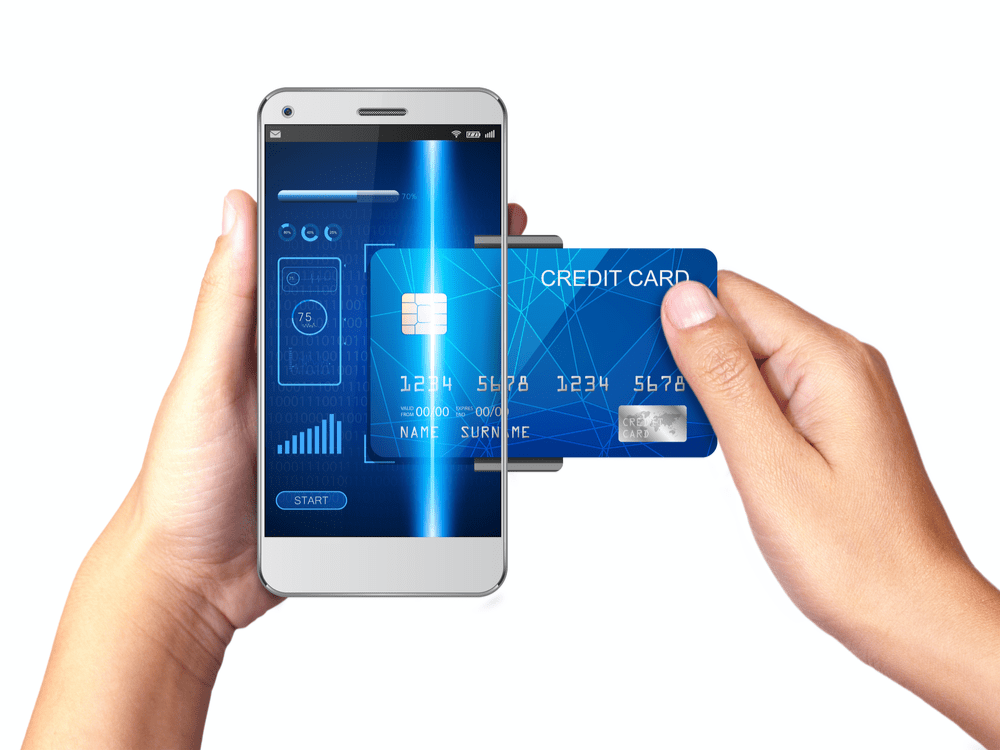
Online payments are becoming faster, but digital fraud is also increasing every year. From fake shopping websites to unwanted subscription charges, users now want payment methods that offer better control, stronger security, and instant access. That's why virtual credit cards are becoming one of the most trusted payment solutions in 2026.
Unlike traditional plastic cards, virtual credit cards are built for the modern digital world. They help users shop online safely, manage subscriptions easily, and reduce the risk of payment fraud during online transactions.
Fintech platforms like Digikard are making this process even simpler by offering immediate approval credit cards with quick digital access and minimal paperwork.
A virtual credit card is a digital card created for online payments. It comes with a unique card number, CVV, and expiry date just like a normal credit card, but it exists digitally instead of physically.
These cards are becoming popular because users can:
As digital banking grows rapidly, virtual cards are no longer just an optional feature. They are becoming an essential tool for safe online transactions.
Consumers today use payment cards for streaming apps, travel bookings, gaming, AI tools, software subscriptions, and international shopping. Sharing the same physical card details repeatedly increases the risk of fraud and data theft.
Virtual credit cards solve this problem by creating an extra security layer between users and merchants.
One of the biggest reasons users prefer virtual cards is payment security. Since the virtual card details are separate from the primary account, users reduce the risk of exposing their actual banking information online.
Many virtual cards also support:
This helps users stay protected from unauthorized transactions and recurring billing scams.
Subscription services are everywhere in 2026. Most users now pay monthly for OTT platforms, music apps, cloud software, AI tools, gaming memberships, and digital learning platforms.
The problem is that many users forget about active subscriptions or struggle to stop recurring payments.
Virtual credit cards give users more control by allowing them to:
This makes budgeting and subscription management much easier.
Traditional credit card applications often involve paperwork, long approval timelines, and branch visits. Modern fintech companies are changing this experience completely.
With platforms like Digikard, users can now:
This fast onboarding process is especially useful for freelancers, students, remote workers, and first-time credit card users.
Virtual credit cards are not only useful for personal shopping. Businesses and freelancers are also using them for secure expense management.
Popular business uses include:
Because virtual cards can be controlled digitally, businesses gain better visibility and fraud protection compared to traditional payment methods.
Both payment methods still have their own role in daily life.
One major downside of physical credit cards is the replacement cost if the card gets lost or stolen. In many cases, banks charge card reissuance fees that can go up to ₹500 for issuing a new physical card. Along with the extra cost, users may also face temporary payment interruptions while waiting for the replacement card.
Virtual credit cards reduce this hassle because users can instantly freeze, replace, or regenerate digital card details directly through the app without waiting for physical delivery.
Physical cards remain useful for:
However, virtual cards offer stronger advantages for digital payments because they reduce exposure to online fraud and provide faster security controls.
For users who frequently shop online or manage subscriptions, virtual cards are becoming the safer and smarter option.
Artificial intelligence is now playing a major role in payment protection. Modern virtual card platforms use AI-based systems to detect suspicious transactions, monitor unusual spending patterns, and block risky payments automatically.
These smart systems help users receive:
As financial technology continues evolving, AI-powered payment systems are expected to become even more advanced.
Even though virtual cards offer better security, users should still follow smart payment practices.
Here are a few simple ways to stay safer online:
Combining these habits with virtual payment technology can significantly improve online financial safety.
The financial industry is rapidly moving toward digital-first banking experiences. Users now expect faster approvals, safer transactions, and complete control over their payments.
Virtual credit cards match these expectations by offering:
This shift is why more consumers and businesses are replacing traditional payment methods with secure virtual payment solutions.
Virtual credit cards are changing how people pay online in 2026. With rising concerns about fraud, subscription scams, and digital security, users are looking for payment solutions that provide both convenience and protection.
Whether you are shopping online, managing subscriptions, running digital ads, or making international payments, virtual credit cards offer a safer and more flexible experience compared to traditional payment methods.
Platforms like Digikard are helping simplify this transition by providing quick approvals, easy onboarding, and secure digital payment access designed for today's online economy.
Ready to get your instant virtual credit card?
Sign up in minutes. No paperwork. 100% RBI-compliant.
Get Started →From saving more with cashback to understanding the future of mobile wallets, our blogs are packed with tips to help you get the most out of your money.

